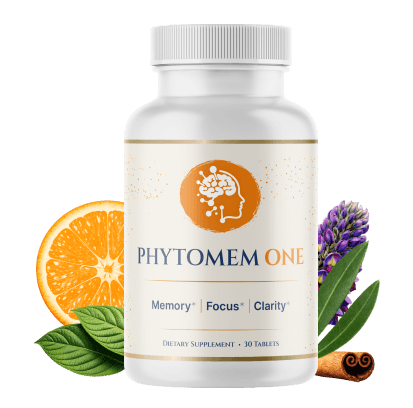
Phytomem One's ads lean hard on a real, widely-covered microplastics study — the kind of citation that sounds bulletproof. So we did the unglamorous part nobody selling you the product wants to do: we actually read the study. Here's what it says, and where the marketing runs past it.
What Is Phytomem One?
Phytomem One is marketed as a "10-in-1" cognitive support supplement built around two ingredient blends — one aimed at reducing plastic/toxin exposure in the brain, the other at blood sugar and neuron energy metabolism. It's positioned as a daily addition for people concerned about memory and mental clarity — not a treatment for any diagnosed condition.
The Microplastics Study: What's Real vs. What's Marketing
The University of New Mexico study behind this (led by toxicologist Matthew Campen, published in Environmental Health Perspectives) is real, and it's genuinely striking: brain tissue accumulates more microplastics than any other organ, and 2024 brain samples had roughly 50% more microplastics than 2016 samples — a real, population-level environmental trend. The study also found higher microplastic concentrations in brains from people diagnosed with dementia than in others.
Our take: Correlation, not proof — the researchers say so themselves. A "50% memory loss every 8 years" rate, or a "30-day countdown to complete memory shutdown," isn't in this study. That's not summarizing the research, that's rewriting it. Treat any number that specific with real skepticism, no matter where you see it.
A Note on "Type 3 Diabetes"
Some of Phytomem One's material references "Type 3 Diabetes" as a driver of memory decline. Worth knowing: this isn't a formally recognized medical diagnosis — it's an informal term some researchers use to discuss a hypothesized link between insulin resistance and Alzheimer's-related changes in the brain. Real scientific discussion, not an established, diagnosable condition the way Type 1 or Type 2 diabetes are.
About "Dr. Nakamura"
Our take: Phytomem One's bonus materials credit a "Dr. Nakamura" for the diet guide. No institution, no credentials, nothing we could verify. Same rule as always: we don't repeat a name as a credibility signal when we can't confirm there's anything behind it.
What's Actually Real: The Ingredients
Here's the part that held up. Saffron (studied for neuroinflammation), fucoxanthin (studied for neural cell support), Ceylon cinnamon (studied for insulin receptor sensitivity), and kudzu flower (studied for glucose uptake) are real compounds with real individual research behind them — not made-up filler names. What we can't verify are the specific percentage claims attached to them (like "reduces oxidative stress by 40%"), since results for any finished product depend heavily on dose and formulation — details the marketing doesn't spell out.
Key Review Highlights:
- Two-Part Formula: Toxin-exposure support plus blood sugar/energy metabolism support, in one daily formula.
- Real Research, Real Ingredients: Named, studied compounds — not vague "proprietary blend" filler.
- The Study Is Real, the Hype Isn't: We verified the underlying science and drew the line where the marketing overreaches.
- Refund Window: Standard ClickBank refund policy — low-risk way to actually try it yourself.
Who Should Talk To a Doctor First
This isn't the right fit for everyone. Check with your doctor before starting Phytomem One (or any new supplement) if you're pregnant or nursing, diabetic or managing blood sugar with medication, have a diagnosed cognitive condition, or take daily prescription medication.
We've told you what checked out and what didn't. If the real science behind it makes sense for you, the full ingredient breakdown and current pricing are on Phytomem One's official page — you've already got the real picture, no fact-checking left to do.
👉 See the Real Ingredient List & Current PricingAffiliate Disclosure: DigiBucks receives compensation if you purchase through this link, at no additional cost to you.